The hackathon was the start
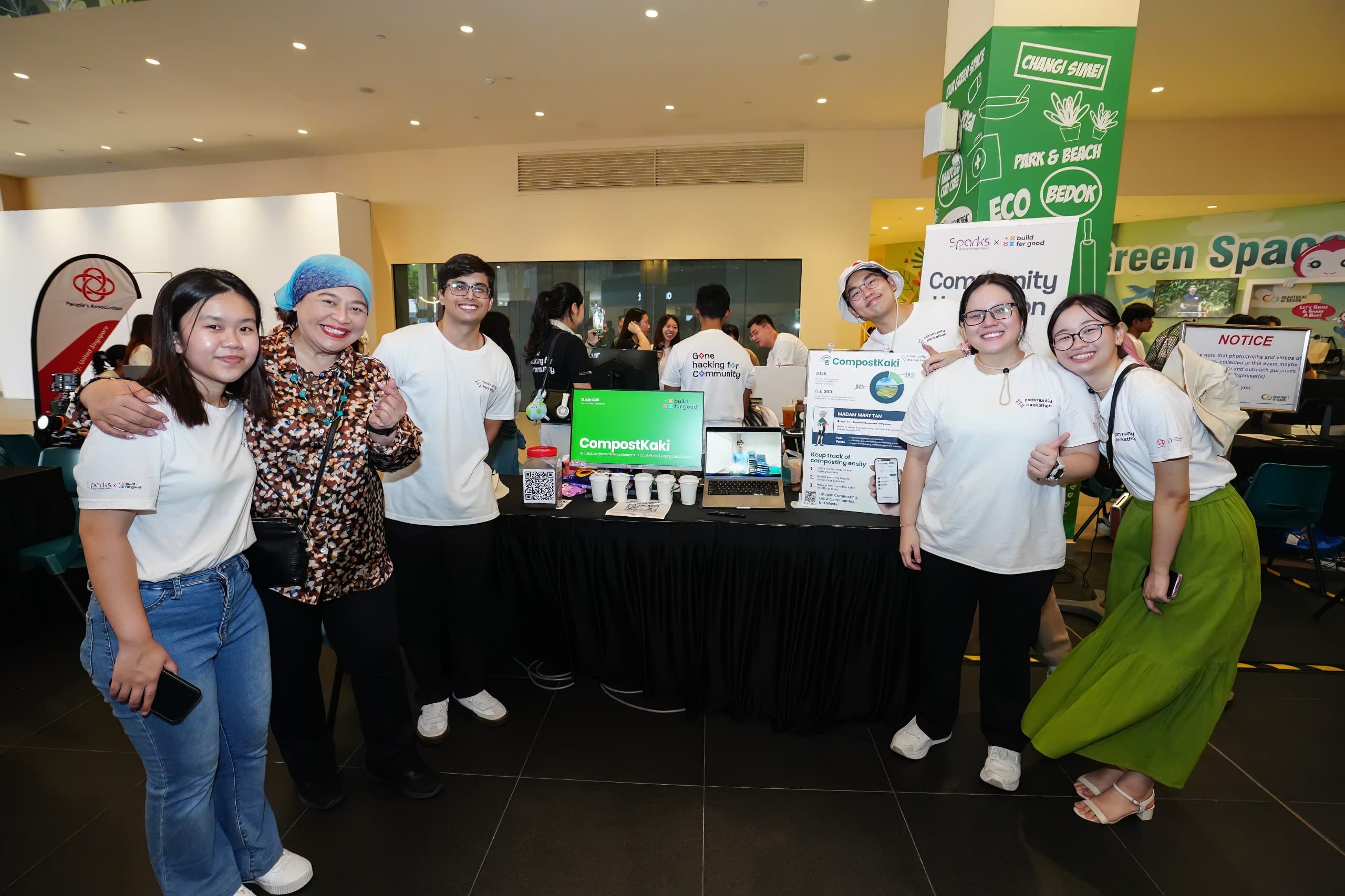
CompostKaki began at Build For Good 2025. Our team's mission was to help community gardeners track compost bins and piles, and coordinate volunteers without relying on scattered whatsapp chat messages.
for the people that think it should be magenta.. i like orange so it’s orange.
Built QR bin tracking, compost cycle history, and volunteer-friendly logging after testing the workflow with Mountbatten community gardeners.
Jun 2025 - Present
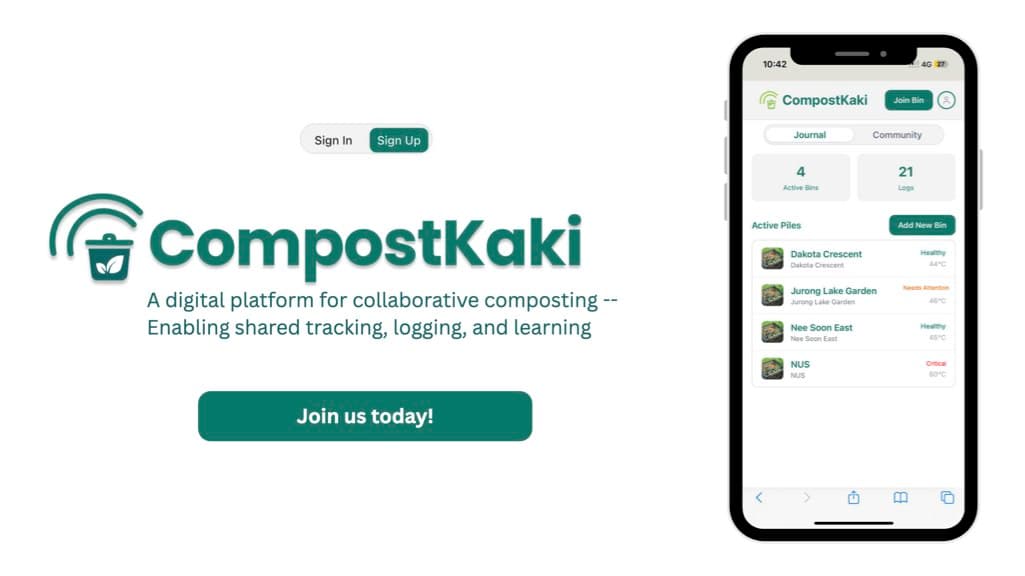
A one-stop application for each compost pile to have its logs, health, and help requests made. Community composting is usually a team effort thing, but the current solution is to chat on whatsapp and store the information needed in your brain. CompostKaki is built to help with that, by providing a platform where users and community gardeners can log the actions done to a compost pile, the status of the pile, and also request for help, through the app.
CompostKaki began at Build For Good 2025. Our team's mission was to help community gardeners track compost bins and piles, and coordinate volunteers without relying on scattered whatsapp chat messages.
The early web prototype focused on three jobs: join a bin from its QR code, log what changed, and ask the group for help. These are recordings from that build; the locations and activity shown are demo data.
Join a bin from its link or QR code.
Early web prototype with demo bin data.
Log materials, water, photos, and notes against the bin.
Early web prototype with demo activity data.
Post a task that everyone in the same bin can see.
Early web prototype with demo task data.
I built QR-based bin tracking, bin logs, user flows, and cycle history so volunteers could quickly check a bin, add updates, and see whether it needed attention. After testing with 15+ users from Mountbatten CITs, I worked with feedback from PA, Mountbatten CIT, and NParks to make the product less demo-ish and more useful for people who would actually maintain the bins.
The project is continuing under PA Sparks Division as a Citizen Developer effort. It has moved from a web prototype toward a mobile app on the Play Store and App Store, which taught me a lot about building for messy real-world production workflows. There were a lot of assumptions and decisions made during the hackathon to prioritise speed and delivering the product, which had to be challenged when moving away from the hackathon and into more real-world production scenarios.
Turning composting habits and volunteer handoffs into a workflow that would not feel like admin work.
Balancing hackathon speed with the extra care needed once real community partners were involved.
Designing bin history in a way that helped gardeners spot patterns instead of just collecting logs.